


How to Minimize Pet Turf Odors: Drainage, Microban®, and Proper Cleaning
Pet turf is designed to stay clean and low-maintenance, but odor prevention is the most common concern homeowners have. The reality is simple: pet turf odors can be minimized when the right turf system, drainage, and cleaning routine are in place.
For a complete overview of how pet turf for dogs works — including drainage, safety, and long-term performance — see our full homeowner’s guide.
This guide explains why pet turf odors occur, how high-quality systems minimize them, and what homeowners can do to keep their yards fresh.
Why Pet Turf Odors Happen
Odors don’t come from the turf fibers themselves — they come from bacteria that develop when urine isn’t properly flushed away.
Common causes include:
-
Poor drainage beneath the turf

-
Low-quality turf backing
-
Inadequate base materials
-
Infrequent rinsing or cleaning
- Poor ventilation
Most odor issues can be minimized by avoiding these common causes through proper drainage, appropriate base materials, and regular rinsing or cleaning.
Why Drainage Is the Most Important Factor

Drainage is the foundation of odor control.
A properly installed pet turf system:
-
Allows urine to pass through the turf immediately
-
Moves moisture into a permeable base layer
-
Prevents standing moisture where bacteria grow
Pet Turf With Proper Drainage vs Poor Drainage
-
Proper drainage: Little to no odor with basic maintenance
-
Poor drainage: Persistent smells regardless of cleaning
This is why professional installation and base preparation matter just as much as the turf itself.
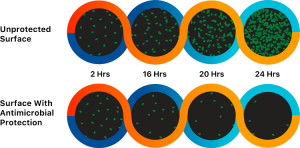
How Microban® Helps Reduce Odor-Causing Bacteria
Some pet turf systems add another layer of protection by integrating antimicrobial technology.
What Microban® Does
Microban® is built directly into turf fibers and works continuously to:
-
Inhibit odor-causing bacteria
-
Reduce microbial growth between cleanings
-
Support long-term hygiene
Smart Turf’s Smart Pet Plus and Tri Pet integrates Microban® directly into the pet turf system, helping homeowners maintain a cleaner surface over time.
Recommended Cleaning Routine for Pet Turf
Even the best systems require simple, routine care.
Smart Turf–Recommended Cleaner
Simple Green Outdoor Pet Odor Eliminator is ideal for pet turf because it:
-
Uses enzymes to break down urine odors
-
Is non-toxic and pet-safe
-
Works well with artificial grass systems
Basic Odor-Prevention Routine
-
Rinse turf weekly with water
-
Use Simple Green Outdoor Pet Odor Eliminator as needed
-
Increase frequency for multiple dogs
FAQs About Pet Turf Odor Control
Why does some pet turf smell and others don’t?
Odor issues usually come from poor drainage or inadequate base materials, not the turf fibers themselves.
Does Microban® replace cleaning?
No. Microban® helps inhibit bacteria, but routine rinsing and cleaning are still necessary.
How often should pet turf be cleaned?
Most homeowners rinse weekly and use an enzyme cleaner as needed. It’s best to flush the area after each use, if possible.
Can odor problems be fixed after installation?
In some cases, yes — but severe issues often point to drainage or base problems.
What’s the best cleaner for pet turf?
Smart Turf recommends Simple Green Outdoor Pet Odor Eliminator for routine care.
Key Takeaway
Pet turf odors are preventable with proper drainage, antimicrobial protection like Microban®, and simple routine cleaning. When designed and maintained correctly, pet turf stays fresh and functional year-round.