


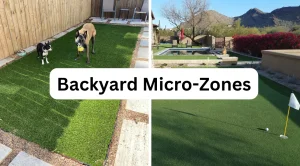
A backyard doesn’t have to serve just one purpose. With artificial grass, you can design a clean, durable outdoor space that supports multiple “micro-zones” — without the mud, patchiness, or constant maintenance that comes with natural lawns. Modern families want yards that flex: a spot for kids to play, somewhere pets can run, a relaxing hangout area, and maybe even a mini workout zone. Artificial turf makes that possible because it holds up under heavy traffic and stays green year-round.
Below is a practical, step-by-step guide to planning a multi-use backyard using Smart Turf products, with design tips that keep everything feeling cohesive, not chaotic.
Why artificial grass is ideal for multi-use backyards
Trying to split a real-grass yard into different functions usually creates problems: worn-out paths, dead patches, mud zones, and uneven surfaces. Turf removes those bottlenecks.
Artificial grass helps multi-zones work because it:
-
Handles high traffic better than natural grass, even with daily kid and pet use.
-
Drains efficiently, so zones don’t become soggy or unusable after watering or rain.
-
Stays consistent in color and texture, which makes separate zones look intentional rather than “new vs. worn.”
-
Reduces the need for chemicals, which is especially helpful in pet and kid areas.
Smart Turf also has built-in Microban® antimicrobial technology, which inhibits bacteria, mold, and mildew growth — a big deal for pet zones and outdoor family spaces.
Step 1: Map your yard into 4 core micro-zones
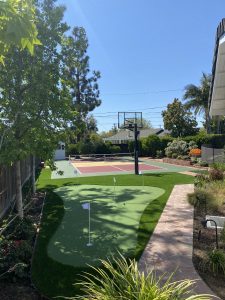 Instead of thinking “one lawn,” think of your yard like a small park with different “rooms.” The four most common zones are:
-
Pet Zone
-
Kids / Play Zone
-
Entertaining / Lounge Zone
-
Fitness / Activity Zone
Even small yards can use this idea — zones just become smaller or overlap lightly.
Pro tip: Start by walking your yard and noting how you already use it. You’ll usually discover natural paths and “default” hangout spots that should become formal zones.
Check out this backyard with multi-zones of fun!
Step 2: Design each micro-zone with clear boundaries
Micro-zones work best when the edges are obvious without feeling walled-off. Borders also keep infill and debris contained to the right place.
Easy boundary options:
-
Pavers or stepping stones between zones.
-
Low edging (metal, concrete, bender board).
-
Planter strips or gravel bands to soften transitions.
You don’t need hard borders everywhere — even a subtle shift (like turf → pavers → turf) signals a different function.

Step 3: Build a pet zone that stays fresh
 Pet areas are one of the smartest uses of artificial grass because cleanup becomes simple and odor stays controlled — especially with antimicrobial turf.
Pet-zone layout tips:
-
Put the pet zone closest to a hose or spigot for quick rinse-downs.
-
Avoid trapping the zone in a tight corner; airflow helps reduce odor.
-
Add a gravel or mulch “dig strip” along one edge if your dog loves to scratch.
Smart Turf product fit:
-
Pet Turf — Smart Turf’s pet-specific surface includes Microban® antimicrobial protection for lifetime odor resistance. Great for pee zones and heavy play.
Step 4: Create a soft, safe kids’ play zone
Kids play hard — running, falling, dragging toys, and generally doing chaos. Turf provides a cleaner, softer surface than mulch or bare dirt. Yardolio+1
Play-zone design ideas:

- Keep it visible from the main seating area.
-
Use play str
-
uctures on a shock-absorbing base.
-
Consider a slightly larger “landing” buffer around swings/slides.
Smart Turf product fit:
-
Playground Artificial Grass like Play Zone Plus with padding is a great addition to any play space.
Step 5: Add an entertaining zone that doesn’t kill your grass
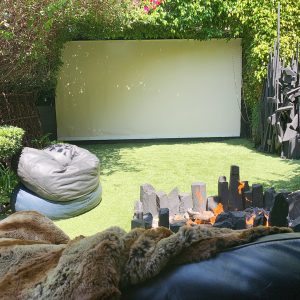 This is where natural lawns get wrecked: dining sets, fire pits, constant foot traffic, spilled drinks. Turf solves the wear issue — but the design makes it feel premium. The Backyard Pros+1
Entertaining-zone tips:
-
Use turf as a soft perimeter around a hardscape patio.
-
Add a rug-like paver “island” for furniture stability.
-
Frame it with low lighting or planter beds for a resort feel.
Step 6: Design a fitness / activity zone that’s actually usable
Fitness zones can be tiny and still useful. Think: yoga, stretching, bodyweight workouts, agility drills, or a mini sports lane.
Fitness-zone layout ideas:
-
Place it on the flattest area of your yard.
-
Give it a rectangle footprint if possible (better for movement).
-
Add shade if you work out midday.
If your household likes golf, consider a putting green micro-zone. It’s a great fitness/recreation activity.

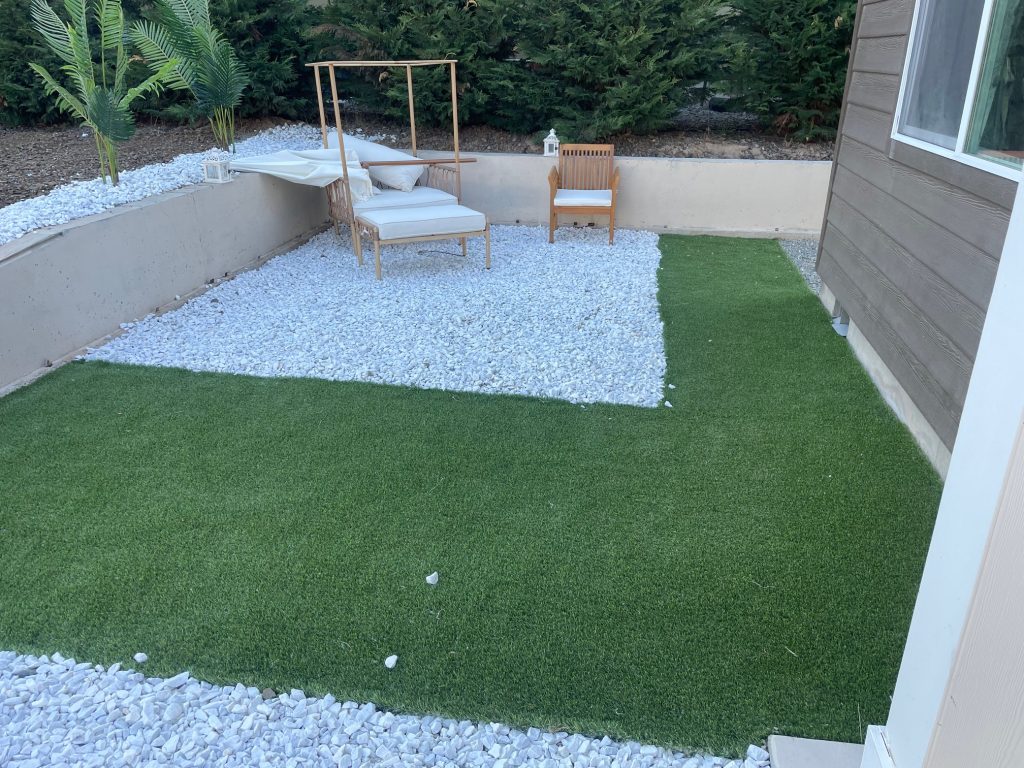
Step 7: Make your zones feel like one yard
The secret sauce is cohesion. Here’s what helps:
-
Match grain direction between turf areas so seams don’t stand out.
-
Repeat one or two materials (same pavers or edging) throughout.
-
Keep your color palette tight — turf + 1 hardscape tone + 1 accent.
-
Use curves in pathways to soften transitions.
Frequently Asked Questions (FAQ)
Q1: Can I use different types of Smart Turf in different zones?
Yes — that’s often ideal. Pet zones benefit from antimicrobial Pet Turf, while kids’ play areas may need Playground Turf with Smart Pad cushioning. But don’t afraid to use just one turf type that can double as a pet/play turf like Smart Turf’s Play Zone Plus.
Q2: How do I limit smells in a pet zone?
Rinse regularly, remove solid waste quickly, and choose antimicrobial turf. Smart Turf’s Microban® protection helps inhibit odor-causing bacteria long-term.
Q3: Will multi-zones make my yard feel smaller?
Not if you use soft boundaries and repeat materials. Zones usually make a yard feel more functional and bigger in practice.
Q4: What’s the easiest way to separate zones on a budget?
A simple paver path or small gravel strip works well and looks clean.
Final take
A multi-use backyard doesn’t require a huge footprint — just smart planning. Artificial grass gives you a stable foundation that stays clean, durable, and attractive across every zone. Start with your household’s real habits, define four core areas, and let turf unify everything into one flexible outdoor space.