

When homeowners compare artificial grass and natural grass, the first thing they usually notice is the upfront price.
Natural grass often looks less expensive at the beginning. Artificial grass typically requires a larger upfront investment because the project includes materials, base preparation, drainage planning, and installation.
But the real comparison is not just what each option costs on day one. It is what each one costs over time.
Why Natural Grass Often Looks Cheaper at First
Natural grass usually has a lower initial installation cost than artificial grass. 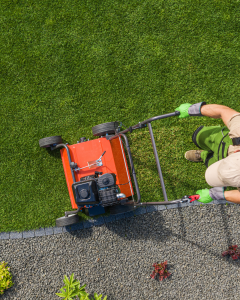
That can make it feel like the more affordable option, especially when comparing only the starting price.
But natural grass also comes with ongoing costs, including:
- Water
- Mowing
- Fertilizer
- Weed control
- Pest control
- Reseeding or patch repair
- Lawn equipment or service costs
These costs may seem small individually, but they continue year after year.
Why Artificial Grass Costs More Upfront
Artificial grass is more like installing a long-term outdoor surface than planting a lawn.
The upfront cost often includes:
- Removing existing grass or landscaping
- Preparing the base
- Compacting the surface
- Planning for drainage
- Installing the turf
- Securing seams and edges
These steps help the system perform properly over time.
This is why artificial grass can feel expensive at first, even though many homeowners choose it to reduce long-term maintenance demands.
Cost Comparison: Artificial Grass vs Natural Grass
| Cost Factor | Natural Grass | Artificial Grass |
|---|---|---|
| Upfront installation | Usually lower | Usually higher |
| Water use | Ongoing | Minimal |
| Mowing | Ongoing | None |
| Fertilizer and weed control | Ongoing | None |
| Pet damage repair | Common in some yards | Reduced with proper turf selection |
| Mud and patch repair | Common in high-use areas | Minimal with proper installation |
| Maintenance time | Ongoing | Lower and more predictable |
| Long-term consistency | Varies by season and use | More consistent year-round |
The best choice depends on how the yard is used and what the homeowner values most.
Water Costs Can Add Up
Water is one of the most overlooked long-term costs of natural grass.
A healthy lawn often needs regular irrigation, especially in warmer or drier climates. During hot seasons, watering needs may increase.
Artificial grass does not need watering to stay green. While occasional rinsing may be needed for cleaning, especially in pet areas, it does not require routine irrigation like natural grass.
Maintenance Costs Are Different
Natural grass requires ongoing maintenance to stay healthy and usable.
That may include:
- Weekly mowing
- Edging
- Seasonal fertilizing
- Weed treatment
- Lawn repair
- Pest control
Some homeowners do this work themselves. Others hire a lawn service. Either way, the cost continues over time.
Artificial grass reduces many of those recurring tasks. It still benefits from occasional care, but maintenance is usually simpler and more predictable.
Pet and Kid Use Can Change the Equation
For households with dogs, children, or heavy outdoor use, natural grass can wear down quickly. 
Common issues include:
- Muddy areas
- Dead patches
- Digging damage
- Worn paths
- Uneven growth
Repairing these areas can become an ongoing cost.
Artificial grass designed for pets, kids, and everyday use can reduce many of those recurring problems when installed correctly.
Lifespan Matters
Artificial grass is designed as a long-term surface.
How long it lasts depends on:
- Material quality
- Installation quality
- Drainage
- Maintenance
- How the yard is used
Natural grass can also last indefinitely, but only with continuous care, watering, and repair.
That is why the cost comparison is not simply “grass vs turf.” It is ongoing care versus upfront investment and lower maintenance.
DIY vs Professional Installation
Some homeowners consider DIY artificial grass installation to reduce upfront costs.
DIY can lower labor expenses, but the same core factors still matter:
- Base preparation
- Compaction
- Drainage
- Turf selection
- Seam and edge work
Whether the project is DIY or professionally installed, long-term value depends on how well the system is built.
When Artificial Grass May Be Worth the Cost
Artificial grass may make the most sense for homeowners who want: 
- Lower lawn maintenance
- Reduced water use
- A cleaner yard for pets or kids
- Fewer muddy areas
- Consistent appearance year-round
- Less time spent repairing grass
For homeowners who enjoy maintaining a natural lawn and already have low water and maintenance needs, natural grass may still be a good fit.
How to Compare the Two Fairly
The fairest comparison is not just upfront price.
Instead, homeowners should compare:
- Installation cost
- Annual maintenance cost
- Water use
- Time spent maintaining the yard
- Repair needs
- Long-term usability
If you are still comparing products, installation choices, and long-term value, our guide to how to choose the right artificial grass breaks down the most important factors to consider.
Final Thought
Natural grass often costs less at the beginning, while artificial grass usually requires a larger upfront investment.
But over time, natural grass continues to require water, maintenance, repairs, and seasonal care. Artificial grass shifts more of the cost to the beginning while reducing many recurring responsibilities.
For many homeowners, the better choice depends less on the initial price and more on how they want their yard to function over the long term.
Frequently Asked Questions
Is artificial grass cheaper than natural grass over time?
It depends on the yard, climate, maintenance habits, and installation quality. Artificial grass usually costs more upfront but can reduce ongoing expenses like water, mowing, fertilizing, and repairs.
Why is artificial grass more expensive upfront?
Artificial grass requires base preparation, drainage planning, compaction, turf materials, and installation. These system costs happen at the beginning rather than gradually over time.
Does artificial grass eliminate all maintenance costs?
No. Artificial grass is low-maintenance, not no-maintenance. Homeowners should still expect occasional rinsing, debris removal, and upkeep in high-use areas.
Is artificial grass worth it for dog owners?
For many dog owners, yes. Artificial grass can reduce mud, dead spots, and repeated lawn repairs when the right turf system is selected and installed properly.