

Artificial grass can be a great solution for many homeowners — especially those looking for a clean, low-maintenance yard. But like any landscaping option, it isn’t the right fit for every property or every preference.
Understanding when artificial grass may not be the best choice helps homeowners make more confident, informed decisions.
In many cases, long-term satisfaction comes down to choosing the right solution for how the space will actually be used.
Some of the most common concerns homeowners have about artificial grass come down to installation, drainage, or how the space is used. For a full breakdown of potential issues and how to avoid them, see our guide to common problems with artificial grass and how to avoid them.
When You Want a Fully Natural Lawn Experience
For some homeowners, part of the appeal of a yard is the feel and variability of natural grass — the way it grows, changes with the seasons, and responds to weather.
Artificial grass is designed to be consistent and predictable. While that’s a benefit for many, it doesn’t replicate the full experience of a living lawn.
If maintaining a traditional, natural landscape is important, natural grass may be the better fit.
When Drainage Issues Aren’t Addressed
Artificial grass depends on proper drainage to perform well.
If a yard has:
- Persistent standing water

- Poor grading
- Heavy clay soil
- Existing drainage problems
Those issues need to be corrected before installation.
Artificial grass won’t fix underlying drainage challenges on its own — and installing it without addressing those conditions can lead to problems over time.
When the Installation Is Rushed or Incomplete
Artificial grass is a system, not just a surface.
If installation skips important steps — like:
- Base preparation
- Compaction
- Drainage design
- Proper edging
The result may not perform as expected.
This applies whether the project is DIY or professionally installed. The key factor is not who installs it — it’s how carefully the process is followed.
When the Turf Doesn’t Match the Use
Not all artificial grass is designed for the same purpose.
Some products are better suited for:
- Pet-heavy households
- High-traffic areas
- Decorative landscaping
- Play areas
If the turf isn’t matched to how the yard is used, issues like wear, flattening, or reduced performance can occur.
When Expectations Don’t Match Reality
Artificial grass reduces maintenance — but it doesn’t eliminate it.
Homeowners should still expect to:
- Rinse occasionally
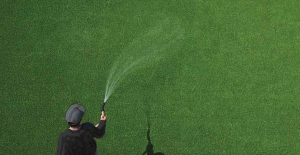
- Remove debris
- Maintain pet areas
When expectations are aligned with how artificial grass actually performs, satisfaction tends to be much higher.
When Shade and Heat Are Not Considered
Like many outdoor surfaces, artificial grass can warm up in direct sunlight.
In yards with:
- Full sun exposure
- Limited shade
- High summer temperatures
Homeowners may want to plan for:
- Shade structures
- Tree coverage
- Timing of outdoor use
Comfort in a backyard depends on the overall design — not just the surface material.
When HOA or Local Restrictions Apply
Some neighborhoods or homeowners associations have specific guidelines about landscaping materials.
Before installing artificial grass, it’s important to:
- Check HOA rules
- Review local guidelines
- Confirm approvals if required
This avoids unexpected complications later.
What This Really Means
Saying artificial grass “isn’t the right choice” doesn’t mean it’s a bad option — it means it needs to be the right fit for the property, the climate, and how the space will be used.
For many homeowners, artificial grass works extremely well. But taking the time to evaluate the yard realistically helps ensure long-term satisfaction.
Final Thought
The best landscaping decisions come from understanding both the benefits and the limitations of each option.
Artificial grass performs well when it’s installed properly, matched to the space, and supported by realistic expectations. Knowing when it’s not the right fit is part of making a confident, informed choice.