

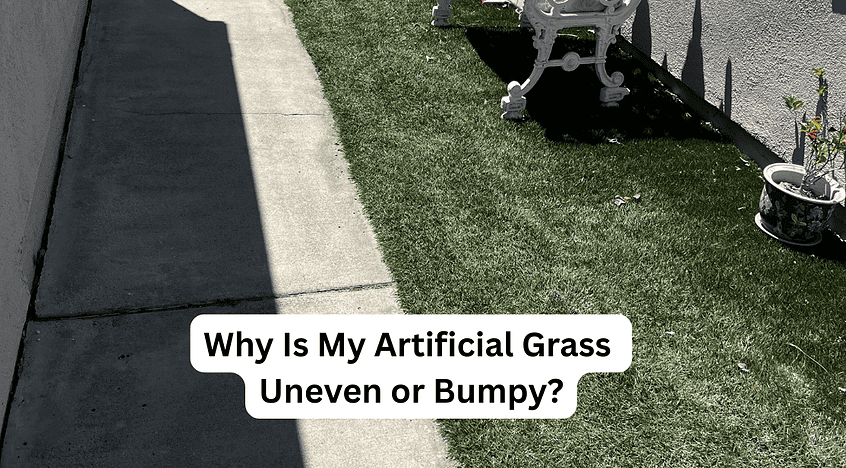
Artificial grass is designed to provide a smooth, consistent surface. So when homeowners notice bumps, ripples, or uneven areas, it can be frustrating — especially if the turf is relatively new.
The good news is that uneven artificial grass is usually not a product issue. In most cases, it’s related to how the turf was installed or how the base beneath it has settled over time.
Understanding what causes these issues can help you fix them — and prevent them in the future.
Uneven surfaces are one of the most common issues homeowners experience with artificial turf. For a full breakdown of why these problems happen and how to avoid them, see our guide to common problems with artificial grass and how to avoid them.
What Causes Artificial Grass to Become Uneven?
Artificial grass depends on a stable, well-prepared base. When something shifts underneath, it shows on the surface.
The most common causes include:
-
Improper base preparation
-
Inadequate compaction
-
Ground settling over time
-
Poor drainage
-
Heavy or uneven foot traffic
Each of these affects the structure beneath the turf — not just the turf itself.
Improper Base Preparation
The base layer is the foundation of any artificial grass installation. 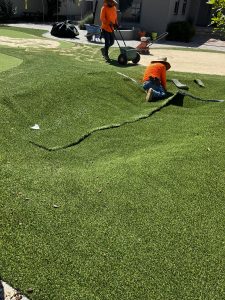
If the ground wasn’t properly:
-
Leveled
-
Compacted
-
Built to the correct depth
The surface can develop soft spots or uneven areas over time.
This is one of the most common causes of bumpy turf.
Inadequate Compaction
Compaction ensures the base stays stable under pressure.
If the base material wasn’t compacted thoroughly during installation, it can shift when:
-
Walked on regularly
-
Exposed to moisture
-
Subject to seasonal changes
This shifting creates dips or raised areas that become visible on the surface.
Ground Settling Over Time
Even well-prepared installations can experience minor settling, especially in the first months after installation.
This is more likely if:
-
The soil beneath the base was loose
-
The area had prior landscaping or excavation
-
The ground experiences moisture fluctuations
Small changes in the ground can translate into noticeable surface variation.
Poor Drainage
Drainage issues don’t just affect odor — they can also impact surface stability.
If water doesn’t move through the system properly, it can: 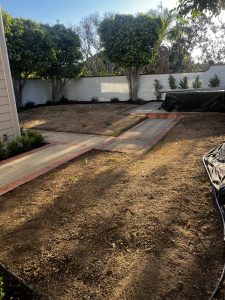
-
Soften the base
-
Cause materials to shift
-
Create uneven areas over time
Proper drainage helps maintain both cleanliness and structural consistency.
(Optional second link)
You may link to:
Why Artificial Grass Smells (and How to Prevent It)
to reinforce the importance of drainage.
High-Traffic Areas
Areas that receive consistent use — like walkways, pet zones, or play areas — can wear differently than the rest of the yard.
Over time, this can lead to:
-
Flattening
-
Minor depressions
-
Slight unevenness
This is especially true if the base wasn’t reinforced for heavier use.
Can Uneven Artificial Grass Be Fixed?
In many cases, yes.
Fixing uneven turf typically involves:
-
Lifting the affected area
-
Re-leveling and compacting the base
-
Reinstalling the turf properly
For minor unevenness, brushing and redistributing infill can sometimes improve appearance, but deeper issues usually require base correction.
How to Prevent Uneven Turf
Preventing bumps and uneven surfaces comes down to installation quality and planning.
Homeowners can reduce risk by:
-
Ensuring proper base preparation
-
Prioritizing thorough compaction
-
Designing for drainage
-
Matching the turf to how the space will be used
Whether installing yourself or working with a contractor, attention to detail during setup makes the biggest difference.
Final Thought
Uneven artificial grass is almost always a surface-level symptom of something happening underneath.
When the base is stable, properly compacted, and designed for drainage, artificial grass stays smooth and consistent. Understanding how the system works helps homeowners fix issues — and avoid them altogether.