


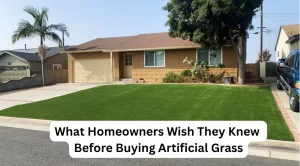
Most homeowners don’t start out as experts in artificial grass.
They’re usually just looking for a cleaner, lower-maintenance yard — something that looks good and works well over time.
But after going through the process, many homeowners say the same thing:
“I wish I had known a few of these things before making a decision.”
Understanding these insights upfront can help you avoid common frustrations and feel more confident in your choice.
It’s Not Just About the Turf Itself
One of the biggest surprises for homeowners is that artificial grass performance isn’t just about the product.
What’s underneath matters just as much.
Base preparation, compaction, and drainage all play a major role in how the turf looks and performs over time. When these aren’t done properly, issues like uneven areas or drainage problems can develop — even if the turf itself is high quality.
“Low Maintenance” Doesn’t Mean No Maintenance
Artificial grass significantly reduces maintenance compared to natural lawns — but it doesn’t eliminate it completely.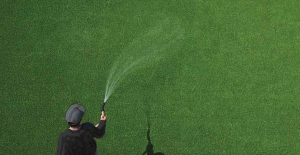
Most homeowners still need to:
- Rinse occasionally
- Remove debris
- Maintain high-use or pet areas
Knowing this ahead of time helps set realistic expectations and prevents frustration later.
Drainage Makes a Bigger Difference Than Expected
Many homeowners don’t think about drainage until after installation.
But drainage affects:
- Cleanliness
- Odor prevention
- How quickly the surface dries
- Long-term performance
When drainage is designed properly, most common concerns — especially in pet areas — are easy to manage.
Not All Artificial Grass Is Designed the Same
Artificial grass varies more than most people expect.
Different products are designed for:
- Pets
- Kids and play areas
- Decorative landscaping
- High-traffic spaces
Choosing the wrong type for how your yard is used can lead to wear, discomfort, or performance issues over time.
Installation Details Matter More Than Most People Realize
Many homeowners assume installation is straightforward — but small details can make a big difference. 
Things like:
- Base depth
- Compaction
- Seam placement
- Edge restraint
All affect how the surface looks and holds up over time.
These details aren’t always visible at first, which is why they’re often overlooked.
Appearance Isn’t the Full Picture
It’s easy to choose artificial grass based on how it looks in photos or samples.
But what homeowners often realize later is that performance matters just as much as appearance.
Things like:
- Drainage capability
- Durability under use
- Comfort underfoot
All play a role in long-term satisfaction.
The Decision Gets Easier With the Right Framework
Many of these “I wish I knew” moments come from trying to compare too many things at once without a clear structure.
Once homeowners focus on:
- How the space will be used
- What conditions exist in the yard
- What actually impacts performance
The decision becomes much more straightforward.
If you want a clear starting point, our guide to how to choose the right artificial grass breaks down exactly what to look for and how to compare options without getting overwhelmed.
Final Thought
Most homeowners don’t regret choosing artificial grass — they regret not understanding a few key factors before making the decision.
By learning what actually impacts performance and expectations, you can avoid common pitfalls and choose a solution that works well for your yard long-term.