

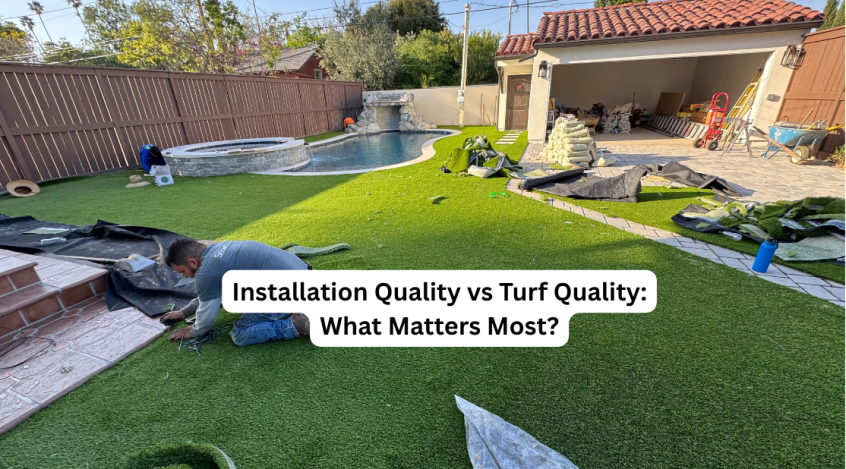
When homeowners start researching artificial grass, one question often comes up:
“What’s more important—the turf itself or the installation?”
The answer may be surprising.
Many artificial grass problems that homeowners experience over time aren’t caused by the turf product alone. They’re often the result of how the system was installed.
At the same time, installation isn’t the only factor that matters. The quality of the turf, the materials used during manufacturing, and the consistency of the product all play a major role in long-term performance.
The reality is that successful artificial grass projects depend on both installation quality and turf quality working together.
Why Installation Has Such a Big Impact
Artificial grass is much more than a surface product. 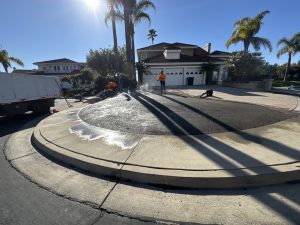
A complete system includes:
- Excavation
- Base preparation
- Compaction
- Drainage design
- Seam work
- Edge restraint
These components create the foundation that supports the turf for years to come.
If the installation is rushed or shortcuts are taken, homeowners may experience:
- Uneven surfaces
- Poor drainage
- Visible seams
- Premature wear
- Reduced usability
This is why installation quality often has a significant influence on how satisfied homeowners are with their investment.
The Turf Can Only Perform as Well as the Foundation Beneath It
Even the highest-quality artificial grass cannot fully compensate for:
- Inadequate base preparation
- Improper compaction
- Poor drainage
- Installation mistakes
Think of it like building a house. Premium materials are important, but they still need a solid foundation.
The same principle applies to artificial grass.
A properly built base helps support long-term performance, appearance, and durability.
But Turf Quality Matters Too
Some homeowners hear that installation is important and assume all artificial grass products are basically the same. 
They’re not.
Artificial grass products vary significantly in:
- Fiber quality
- Durability
- Drainage capability
- UV resistance
- Manufacturing consistency
While many products may appear similar immediately after installation, differences in quality often become more noticeable over time.
This is especially true in yards with:
- Pets
- Children
- Heavy foot traffic
- Frequent outdoor use
Material Quality Affects Long-Term Performance
One of the biggest factors separating turf products is the quality of the materials used during manufacturing.
Higher-quality turf systems are typically designed with:
- Durable fibers
- Consistent backing systems
- Strong drainage performance
- Materials engineered for long-term outdoor use
These features can help the turf maintain its appearance and usability over time.
In many cases, homeowners don’t notice the difference between products on day one—they notice it years later.
Why Manufacturing Standards Matter
Where artificial grass is made can influence product consistency and quality control.
Products manufactured in the United States often provide:
- Greater transparency into materials
- More consistent manufacturing standards
- Better quality control processes
- Reliable product availability
For homeowners, understanding where the turf is made helps create confidence in what is actually being installed in their yard.
At Smart Turf, products are manufactured in the USA with a focus on material consistency, durability, and residential performance. This allows homeowners to better understand what goes into the turf and helps ensure quality remains consistent from one production run to the next.
Installation and Turf Quality Work Together
The best artificial grass projects combine:
- Quality materials
- Proper installation
- Effective drainage
- Correct base preparation
When one part of the system is weak, performance can suffer.
When both installation quality and turf quality are prioritized, homeowners are much more likely to achieve the appearance, durability, and usability they expect.
How Homeowners Should Evaluate Artificial Grass
Instead of asking: 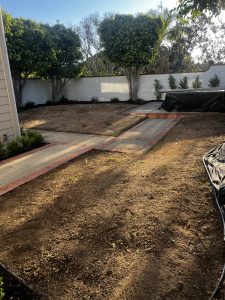
“Which turf brand is the best?”
Or:
“Who has the cheapest installation?”
A better question is:
“Which combination of product quality and installation quality will perform best in my yard?”
That approach leads to better long-term results and fewer surprises after installation.
If you’re comparing products, manufacturers, and installation options, our guide to how to choose the right artificial grass walks through the key factors that affect long-term performance.
Final Thought
Installation quality and turf quality are not competing factors—they are partners.
A great installation cannot fully overcome low-quality materials, and premium turf cannot compensate for poor installation practices.
The most successful artificial grass projects are built on both.
When homeowners focus on quality materials, reliable manufacturing, proper drainage, and correct installation, they are far more likely to enjoy a yard that performs well for years to come.